
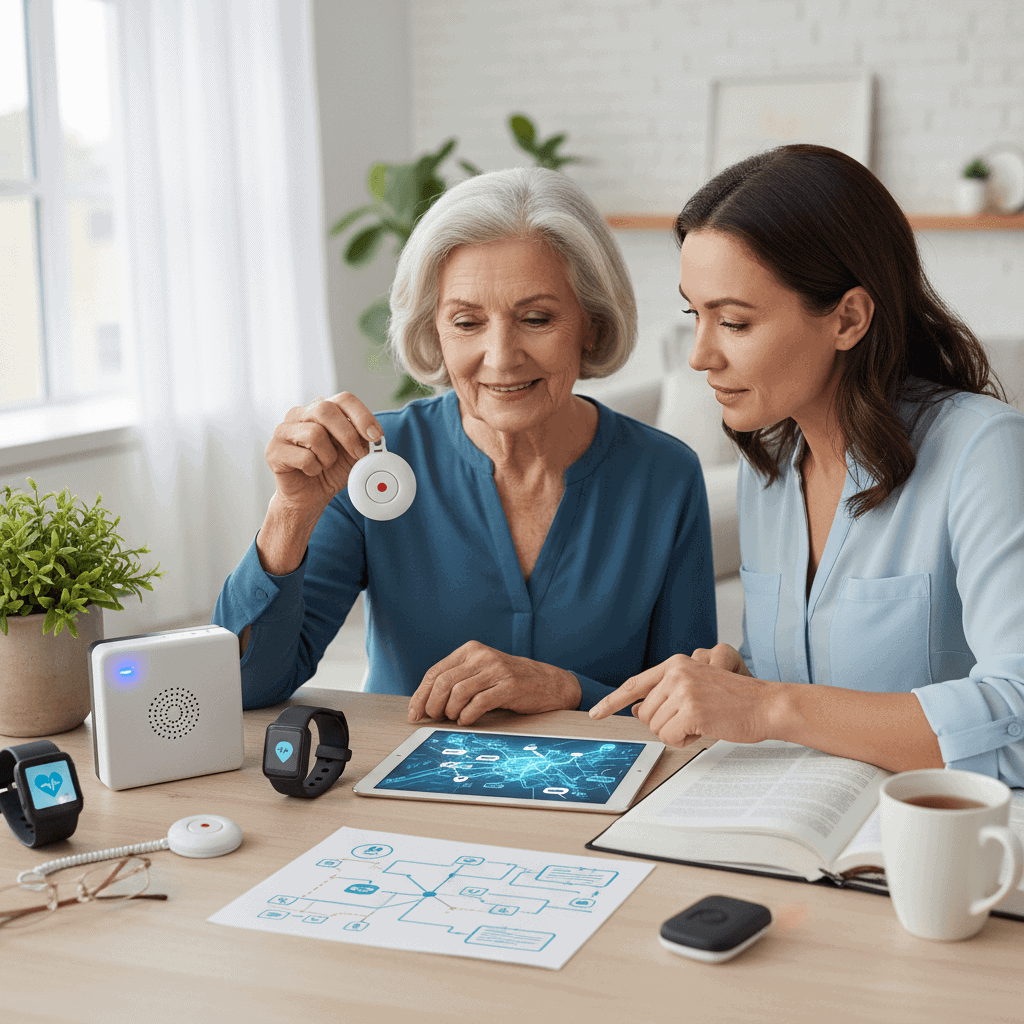
Choosing the right medical alert option can feel like a big decision for someone who wants to stay safe and live with independence. This guide walks through the parts that really matter so you can weigh options with confidence. I will offer clear examples and concrete tips you can use when comparing models and plans.
Whether you are helping a family member or planning for your own needs this piece focuses on features that reduce confusion and increase usefulness. Read on for practical checks to run and trade offs to think about before signing up.
Why a medical alert option matters for older adults and people with health concerns
Falls and sudden medical events are common and often unexpected. According to the Centers for Disease Control and Prevention one in four adults aged 65 and older falls each year. A device that connects a person to help at the push of a button can shorten response times and link callers to trained staff who can dispatch emergency services or contact family.
Beyond emergencies these systems can provide reassurance for family members who live at a distance. If you manage care remotely look for features that report activity or send notifications to a list of contacts so you are not left wondering when a user did not answer a phone call.
24 hour monitoring and response protocols that matter
Continuous monitoring is a core benefit for many customers. What to look for includes the staffing model of the monitoring center their hours and how they handle language barriers. Some centers have multi language support or direct lines to local emergency services.
What monitoring centers usually provide
Most centers will ask a series of questions so they can relay key medical details to first responders. Ask whether the center can store medical conditions medications and emergency contact lists. Also confirm if the center calls three numbers in sequence or if it alerts multiple contacts at once.
Typical response times and what they mean
Response time claims vary. Many providers aim to connect within 30 to 60 seconds. A good test is to initiate a practice call and time how long it takes to speak with a live operator. That gives you direct evidence of performance rather than relying on marketing claims.
Fall detection technology and wearable comfort
Automatic fall detection can be lifesaving but it has trade offs. These sensors use motion algorithms to detect sudden changes in movement. When they work they can call for help without a button press. The downside is occasional false alarms triggered by dropping the device or rapid arm movement.
Consider whether you want fall detection as an option you can switch on and off. Also prioritize the device form factor. A pendant may be easier to keep on for people with limited hand mobility while a wrist unit might feel more natural for someone who normally wears a watch.
Location tracking cellular coverage and range considerations
If the person leaves the home make sure the system supports mobile coverage and includes GPS. There are three common setups landline dependent units cellular models and mobile wearable units with built in GPS. Landline models limit the person to the house which may be fine if they rarely travel. Cellular and GPS models are better for active users who drive or walk in the neighborhood.
When evaluating mobile units check the network carrier used by the device and whether that carrier has strong reception in places the user visits. If a unit uses Wi Fi for indoor positioning ask how it behaves when Wi Fi is absent.
Battery life water resistance and product durability
Battery performance varies by design. Simple button cell wearables can last many months while rechargeable models may need a daily or weekly charge. If daily charging is likely to be forgotten choose longer lasting batteries.
Common battery trade offs
Rechargeable devices are convenient for not needing replacement cells but they can leave a user unprotected if charging is missed. Replaceable batteries reduce that risk but require a caregiver to change cells. Make a plan that matches daily habits of the person who will wear the device.
Waterproof ratings and real life use
Look for a water resistance rating and compare it against typical activities. A shower proof rating usually covers brief exposure but not full submersion. If the person showers or spends time near water choose a device with a higher rating to avoid damaged units and missed alerts.
Costs contract types and billing transparency
Price structures range from month to month plans to multi year contracts with one time equipment fees. Common monthly fees fall roughly between twenty and fifty dollars with some premium services charging more. Equipment may be free with a contract or cost between fifty and up to two hundred dollars for higher end devices.
Ask about cancellation policies service activation fees and charges for replacing lost or damaged hardware. Some companies offer trial periods that let you test the service for a limited time without a long commitment. Read the fine print and request a written summary of fees before agreeing to a plan.
How to choose and test a system before you commit
A good selection process includes field testing user feedback and verifying claims. Start by listing daily routines and places the device should cover then match those needs to features. For example if someone walks to the mailbox choose a mobile unit with GPS rather than a landline model.
Before committing request a demonstration and ask for a trial period. During the trial perform several realistic exercises such as initiating a call from different rooms testing fall detection with a safe simulated fall and checking battery life over several days. Invite a trusted family member to experience the call process so they can confirm the notifications and escalation path are clear.
For additional reading and a short checklist you can use when comparing vendors see this post on effective medical alert systems that lays out specific feature comparisons and sample questions to ask sales representatives
Tips for daily use maintenance and caregiver coordination
- Wear it consistently Model real life routines like putting the device on every morning to form a habit
- Test the system monthly Run a mock alert and confirm contacts receive notifications and that the monitoring center responds
- Keep emergency contacts current Review and update phone numbers and medical notes after doctor visits or medication changes
- Store charging equipment in a visible place If a unit requires daily charging place its charger where it will be seen
- Address false alarms calmly Program the device settings to balance sensitivity and false alerts and teach family members how to cancel accidental calls
Choosing the right medical alert solution is about matching needs routines and technical features. Focus on the points that affect daily reliability such as monitoring quality battery life and coverage. Try before you buy when possible and include at least one practice scenario to confirm response time and protocol.
Once you have picked a model set up a routine for testing and involve family members so they understand the notification process. Regular checks and clear contact lists reduce surprises and keep the system ready to perform when needed. If you are comparing multiple offers create a short checklist with the most important criteria and score each vendor on the same points to make a fair comparison.
In closing a well chosen medical alert option can reduce delays in receiving help and make independent living safer. Review monitoring promises fall detection accuracy and real battery performance. Try a trial and run practice calls before signing a long term plan. If you want to move forward take time to list daily activities that matter decide which features are must haves and schedule a demo or trial with at least two providers. That small investment of time will pay off in fewer surprises and more confidence that the system will work when it is needed. Reach out to a trusted provider today request a trial and involve family so everyone understands how alerts are handled and who will respond.