As people get older, keeping them safe is a top worry for family and caregivers. Falls, sudden health problems, and confusion happen a lot and can really hurt an older person’s freedom and well-being. Luckily, new safety tech has come a long way, offering smart ways to help seniors move around safely and lower risks. One cool gadget gaining popularity is Personal Emergency Response Systems (PERS). These devices give quick help during emergencies and can be a real lifesaver for anyone who wants to stay independent and secure. Dive in to find out how this tech can change the game and why it might be exactly what someone needs to feel safer every day.
Unlike traditional safety devices, PERS offers a proactive approach to safeguarding seniors, allowing them to summon help quickly in emergency situations. With increasing rates of falls among seniors—statistics show that one in four older adults experiences a fall each year—the importance of instant assistance cannot be overstated. By understanding how PERS enhances safety, families can make informed choices that prioritize their loved ones’ well-being without compromising their independence. Let’s explore how these systems work and how they can create a safer environment for elderly individuals living at home or in care facilities.
What Is a PERS and How Does It Work to Protect Elderly People
Understanding the Basics of Personal Emergency Response Systems
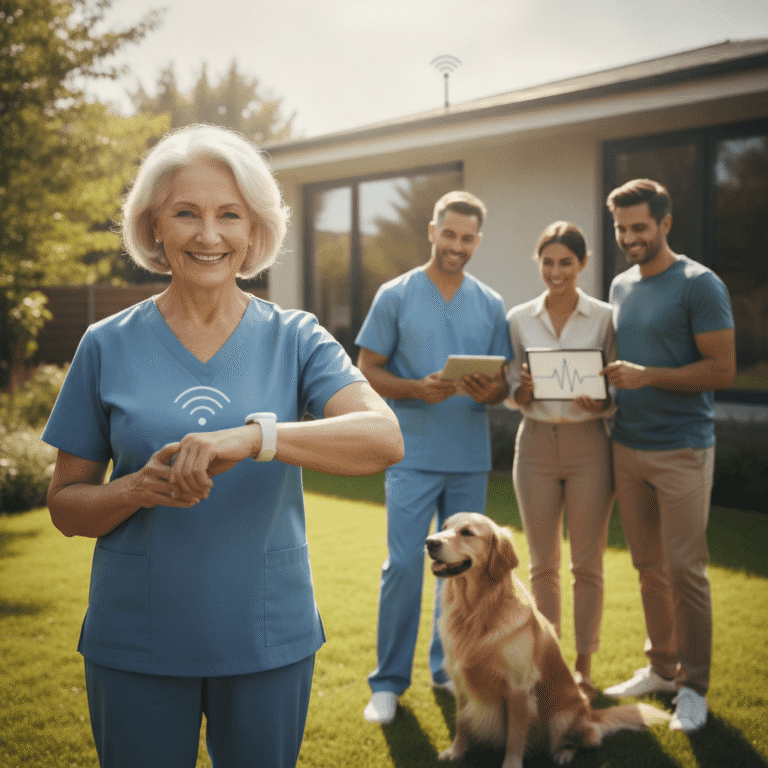
A Personal Emergency Response System, or PERS, is a device designed to connect a user directly with emergency services or a monitoring center at the push of a button. Typically, it involves a wearable pendant or wristband equipped with a communication device and sensors. When activated, it instantly relays the user’s location and emergency details to trained responders who can provide assistance, coordinate with medical services, or notify family members.
These systems work around the clock and are built to be simple to use. Most feature a one-touch button that allows seniors to call for help even if they are unable to speak. This immediate contact can be the difference between a minor fall and a life-threatening situation, especially when help arrives promptly. PERS devices connect via cellular networks or landlines, ensuring that help is accessible no matter where the user is within their home or property.
How PERS Improves Safety for Elderly People Living Alone
Emergency Response at a Moment’s Notice
For seniors living alone, the risk of injuries or medical emergencies remains a constant concern. PERS provides peace of mind by enabling immediate contact with emergency services, often within seconds of pressing the button. Whether it’s a fall, sudden chest pain, or dizziness, the power to summon help instantly can significantly reduce the severity of injuries and even prevent fatalities.
Real-Life Examples of PERS in Action
- A woman in her 80s falls in her kitchen but remembers to press her pendant button. Help arrives within minutes, preventing complications from a broken hip.
- An elderly man with known heart issues experiences symptoms but cannot reach his phone. His PERS device allows him to alert responders without moving from his couch.
Such scenarios demonstrate the critical role PERS can play in safeguarding independence and reducing emergency response times. To see how tailored solutions can fit your loved one’s needs, consider go to my site for more information.
The Benefits of Using PERS for Elderly Safety
Enhancing Feelings of Security and Confidence
Knowing help is just a button press away provides seniors with a sense of control and reassurance. This confidence encourages them to stay active and engaged, reducing the risks associated with isolation and inactivity.
Reducing Emergency Response Times and Improving Outcomes
Fast assistance is crucial during emergencies. PERS ensures that medical help can be dispatched immediately, often improving recovery prospects and reducing long-term health complications. Caregivers benefit too, as monitoring services provide updates on their loved ones’ safety without constant supervision.
Key Features of Modern PERS Devices That Safeguard Elderly Individuals
Emergency Call Functionality and Location Tracking
Modern PERS devices go beyond simple emergency buttons. Features like GPS tracking enable responders to locate users precisely, even when they are outside the home. This is especially helpful during outdoor activities or unexpected situations that occur in unfamiliar places.
Additional Safety and Monitoring Features
- Fall detection sensors that automatically alert responders if a fall is detected
- Medication reminders to prevent missed doses and related health issues
- Two-way voice communication to speak directly with responders
Choosing the Right PERS System for Elderly Safety Needs
Assessing Personal and Home Safety Requirements
Before selecting a system, evaluate your loved one’s health status, mobility, and environment. For some, a simple button device suffices, while others may benefit from GPS-enabled devices that track outdoor excursions. Consulting experts or visiting go to my site can provide tailored guidance.
Important Considerations When Selecting a Device
- Battery life and ease of charging
- Device durability and water resistance
- Monitoring service availability and response protocols
- Cost and subscription plans
Practical Tips for Maximizing Safety with PERS
- Encourage regular testing of the device to ensure functionality
- Train seniors on how and when to press the emergency button
- Keep devices charged and within reach at all times
- Combine PERS with other safety measures like grab bars and adequate lighting
- Discuss emergency plans with your loved one so they feel comfortable in critical moments
The Future of Elderly Safety Technology and PERS Innovations
As technology advances, PERS devices are becoming smarter and more integrated. Future innovations include seamless integration with home automation systems, AI-powered fall prediction, and health monitoring sensors that track vital signs continuously. These improvements aim to make safety solutions more comprehensive and less intrusive for elderly individuals living independently.
Conclusion
Ensuring safety for elderly people remains a top priority for families and caregivers. Personal Emergency Response Systems provide a simple yet effective way to respond rapidly to emergencies, giving seniors the freedom to live on their own with confidence. These devices not only offer quick access to help but also foster peace of mind for loved ones, knowing that help is always a button press away. With a range of features tailored to individual needs, PERS can significantly reduce risks associated with falls, medical incidents, and disorientation.
Choosing the right system requires careful assessment and planning, but the benefits are profound. By staying informed about the latest safety solutions, families can create safer environments that support aging in place. For personalized recommendations and to explore options suited to your loved one’s circumstances, don’t hesitate to go to my site. Taking proactive steps today can make a meaningful difference in preserving independence and ensuring timely assistance whenever it is needed most.